
How Can Sleep Apnea Be Connected to Anxiety?
April 29, 2026
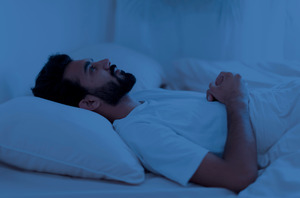
Not only can sleep apnea leave you feeling exhausted during the day and increase your risk for certain health issues, but it could also have an impact on your mental well-being. Research has found that individuals with sleep apnea tend to be at a higher risk of developing anxiety; moreover, the two issues can easily end up contributing to each other. Here’s what you need to know about the relationship between anxiety and sleep-disordered breathing.
What is Sleep Apnea?
Sleep apnea can cause your breathing to temporarily stop and restart multiple times while you’re asleep. Each pause in your breathing can disrupt the sleep cycle, which can make it very difficult for your body to get enough quality rest during the night. The most common form of sleep apnea is obstructive sleep apnea, which can occur when the airway is blocked by relaxed tissues in your mouth or throat.
The Link Between Sleep Apnea and Anxiety
If sleep apnea is preventing you from getting enough quality sleep, it can end up impacting your body and mind in a variety of ways. In particular, it can significantly hinder your ability to properly cope with stress. Needless to say, this can make existing feelings of anxiety even more severe.
On top of that, if you have anxiety, you might find it difficult to fall and stay asleep. This can end up contributing to the sleep deprivation that you are already experiencing as a result of sleep apnea. In short, anxiety and sleep apnea can create a vicious cycle where each condition continues to make the other one worse.
What Can You Do About Sleep Apnea and Anxiety?
Once you realize that you are suffering from sleep apnea and anxiety, you should take steps to address them both as quickly as possible. Treating one can often go a long way toward improving the other.
Sleep apnea is traditionally treated with a CPAP machine. However, if this approach is too noisy or uncomfortable for you, it may be worth talking to a sleep dentist about getting an oral appliance instead. An oral appliance can reduce the chances of the airway becoming obstructed by repositioning your lower jaw.
When it comes to managing anxiety, meditation and other activities that reduce stress can often help. It may also be a good idea to consider mental health therapy for anxiety.
Sleep apnea and anxiety both have the potential to grow worse over time, so it’s important not to ignore them for too long. Take whatever steps are needed to improve your quality of life and make your nights more restful.
About the Author
Dr. Kinnari Jariwala is a graduate of the University of Missouri-Kansas City School of Dentistry. She holds membership with the American Board of Dental Sleep Medicine and other organizations. At Center for Dental Sleep Medicine & TMJ of New Mexico, she provides the personalized sleep apnea solutions that her patients deserve. If you need help managing your sleep apnea, you can schedule an appointment with Dr. Jariwala at her practice in Albuquerque by visiting her website or calling (505) 433-2107.
No Comments
No comments yet.
RSS feed for comments on this post.
Sorry, the comment form is closed at this time.