
Is Gardening the Secret to Better Sleep?
February 2, 2026
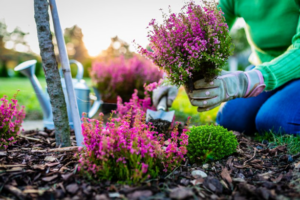
For something so essential to everyday life, sleep can be surprisingly elusive. If you’re too stressed, too restless, or skipped one small part of your usual nightly routine, you might miss out on more than a few z’s. And if you have sleep apnea? Forget about it! Needless to say, many people would like to know the secret for getting consistently good sleep – including you.
Studies do show that gardening can help you doze off to dreamville, but is it the be-all solution everyone’s looking for? Keep reading to find out.
How Gardening Improves Sleep Quality
Experts believe there are a couple of different reasons why those who make a habit out of gardening are less likely to have chronic sleep issues. For one thing, natural sunlight and physical activity regulate circadian rhythms, which basically means it helps your body know when it’s time for bed. For another thing, gardening is good for your mental health, and reduces stress, anxiety, and depression – three things that can make it very difficult to fall asleep at night!
In other words, it’s not necessarily the act of gardening itself that promotes better sleep, but the benefits that often go along with it.
Why You’ll Still Need to Treat Sleep Apnea
That said, if you have sleep apnea, you’ll likely still need to treat your condition in order to get a full night’s rest. This is because obstructive sleep apnea is typically an anatomical issue that can’t be cured by digging soil and watering plants. Overrelaxed oral tissue or jaw misalignment blocks your airway, limiting how much oxygen can travel to your brain when you lie down. This causes your brain to panic and pull you out of deep sleep multiple times a night.
The best way to address obstructive sleep apnea and alleviate your symptoms is to visit a qualified sleep dentist. They can help you find your best-fit treatment option, which could involve oral appliance therapy, laser airway management, or combined therapy with an oral appliance and CPAP. Either way, the goal is to free up your airway so you can breathe easy when you sleep.
Gardening may not be a be-all sleep solution for those with sleep apnea, but it can help reduce the severity of your sleep apnea symptoms, especially ones that are triggered by stress or depression. If you like plants or are looking for a new hobby, gardening can still be a good one to start!
About the Author
Dr. Kinnari Jariwala is a proud member of the American Board of Dental Sleep Medicine and the American Board of Craniofacial Dental Sleep Medicine. As a qualified sleep dentist, she’s spent countless hours studying the best way to treat sleep apnea patients through sleep dentistry solutions like oral sleep appliances. If you struggle with sleep apnea and need treatment, contact Dr. Jariwala’s office at 505-433-2107 and schedule your consultation today.
No Comments
No comments yet.
RSS feed for comments on this post.
Sorry, the comment form is closed at this time.