
Sleep Apnea & Your Weight: How the Scale Can Impact Your Sleep
July 15, 2026
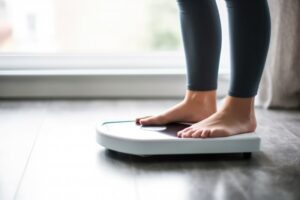
Being overweight or obese affects more than just your physical, mental, and emotional health. It also impacts your sleep quality, which can lead to serious problems for your body and brain. Adopting a healthy lifestyle can improve your nightly rest, but how do the two issues connect? Read on to discover the link and how managing your weight can reduce your sleep apnea symptoms.
The Link Between the Scale & Sleep
There are several ways your sleep quality can positively or negatively affect your weight. When you don’t get enough rest, you start packing on the pounds because you are too tired to exercise.
Other ways sleep affects your weight include:
- Your Appetite: When you get enough sleep, your body regulates the leptin and ghrelin hormones (they control your appetite). However, when you have sleep apnea, you’re prone to overeating because leptin levels reduce and ghrelin levels grow.
- The Type of Food You Crave: Many experts believe tiredness is related to choosing unhealthy foods. Shopping for healthier options or taking the time to cook and prepare nutrient-rich meals are not things you have the energy for, so you reach for convenient, easy options.
- Your Metabolism: When deprived of quality sleep, your body can experience metabolic dysregulation. This means that the longer you are awake, the more likely you are to eat. Eating unhealthy foods can lead to glucose intolerance and insulin resistance.
How to Improve Sleep & Better Manage Weight
If you want to sleep better and improve your overall health and weight, you will need to make various lifestyle changes. First, if you haven’t been tested for sleep apnea, ask your doctor about a sleep study. This can determine if you have this common condition. If so, you can discuss treatment options with a sleep dentist who can recommend CPAP therapy, an oral appliance, or another similar solution, in addition to weight loss management.
You may also find it helpful to:
- Maintain a normal sleep schedule that allows you to get 8-9 hours of sleep each night
- Keep your room dark with blackout curtains to avoid any exposure to artificial or natural light while sleeping
- Avoid eating before bedtime, as this can cause you to gain instead of lose weight
- Minimize stress by incorporating exercise, reading a book, talking to a professional, etc.
By maintaining your weight and improving your sleep patterns, you can finally enjoy life once again.
About the Author
Dr. Kinnari Jariwala is a dentist and craniofacial sleep medicine expert in Albuquerque who completed her dental degree at the University of Missouri – Kansas City School of Dentistry. She then completed countless hours of continuing education courses focusing on sleep and TMJ medicine. Leading the way at the Center for Dental Sleep Medicine & TMJ of New Mexico, she and her team help patients who need expert care to breathe better and get essential sleep every night. Contact us via our website or call (505) 433-2107 to schedule an appointment if you want to discuss your symptoms.
No Comments
No comments yet.
RSS feed for comments on this post.
Sorry, the comment form is closed at this time.