
Did You Know Sleep Apnea Can Cause Acid Reflux?
December 14, 2025
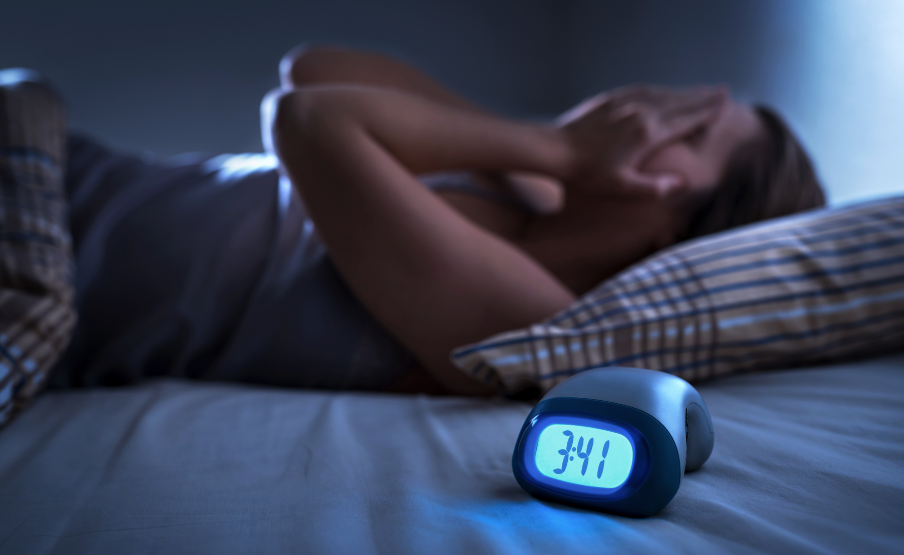
Sleep apnea is often thought of as “just” loud snoring or restless nights, but its impact can reach well beyond sleep. Many people who live with sleep apnea also deal with frequent acid reflux or GERD, sometimes without realizing the two are connected. Understanding this link can be an important step toward finding relief, improving comfort, and feeling better both day and night.
Understanding Sleep Apnea and Acid Reflux
Sleep apnea occurs when breathing repeatedly stops and starts during sleep, often due to airway obstruction or improper signaling between the brain and breathing muscles. Acid reflux happens when stomach acid flows back into the esophagus, causing irritation, heartburn, or a sour taste in the mouth.
Research shows that people with sleep apnea are at a higher risk of developing acid reflux and GERD. While one condition does not always directly cause the other, they often exacerbate each other, creating a cycle of discomfort and disrupted sleep.
Why Sleep Apnea Can Worsen Acid Reflux
During episodes of sleep apnea, the body works harder to breathe against a blocked airway. This effort creates negative pressure in the chest, which can pull stomach acid upward into the esophagus. At the same time, repeated awakenings during the night may reduce the body’s ability to keep acid where it belongs.
Poor sleep quality can also affect digestion and increase inflammation, both of which may contribute to more frequent reflux symptoms. Over time, untreated sleep apnea may make acid reflux more persistent and harder to control.
How Acid Reflux Can Affect Sleep Apnea
Acid reflux can also worsen sleep apnea symptoms. When stomach acid irritates the throat and airway, it may cause swelling or inflammation that narrows the airway further. This can increase the likelihood of breathing interruptions during sleep.
Reflux symptoms such as coughing, choking sensations, or a burning feeling in the chest can also cause frequent awakenings, leading to that groggy feeling of dragging throughout the day.
Managing Both Conditions Together
Treating sleep apnea often helps reduce acid reflux symptoms. Improving nighttime breathing can lessen pressure changes in the chest and reduce the movement of acid into the esophagus. Lifestyle changes may also play an important role, such as maintaining a healthy weight, avoiding large meals close to bedtime, and elevating the head while sleeping.
Addressing reflux symptoms can further support better sleep. Aim to reduce acidic or spicy foods. Consider limiting alcohol and prioritizing stress management to help decrease irritation in the throat and airway. When both conditions are evaluated together, treatment plans tend to be more effective.
When to Seek Professional Guidance
If you’re dealing with ongoing heartburn, waking up often at night, loud snoring, or feeling exhausted during the day, it’s worth paying attention. Sleep apnea and acid reflux often go hand in hand, and looking at the full picture can help uncover what’s really going on. Addressing both conditions together can make a big difference in sleep quality, daily comfort, and overall health.
About the Practice
Center for Sleep & TMJ is dedicated to diagnosing and treating sleep-related breathing disorders and TMJ conditions with a personalized, patient-focused approach. Dr. Kinnari Jariwala combines advanced diagnostic tools with customized treatment options to help patients achieve better sleep, improved oral health, and enhanced overall well-being. Instead of counting sheep, count on us for restful nights.
Call us at (505) 433-2107 or request an appointment online.
No Comments
No comments yet.
RSS feed for comments on this post.
Sorry, the comment form is closed at this time.